Chance to Choose: From Council Initiative to Independent Voice
Origins and Vision
The project that became known as Chance to Choose began not as a charity, but as a forward-thinking Sheffield City Council initiative. It emerged directly from the Adsetts Day Centre, part of the council’s Disability Service Provision. The vision was clear: to move beyond traditional care models and create active, empowering opportunities for people with learning disabilities.
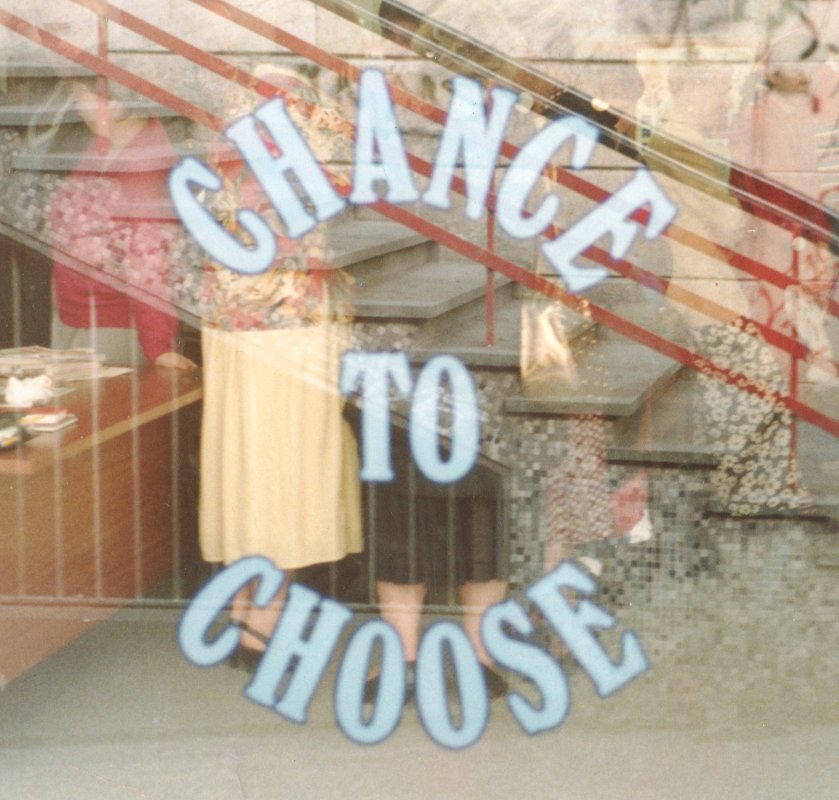
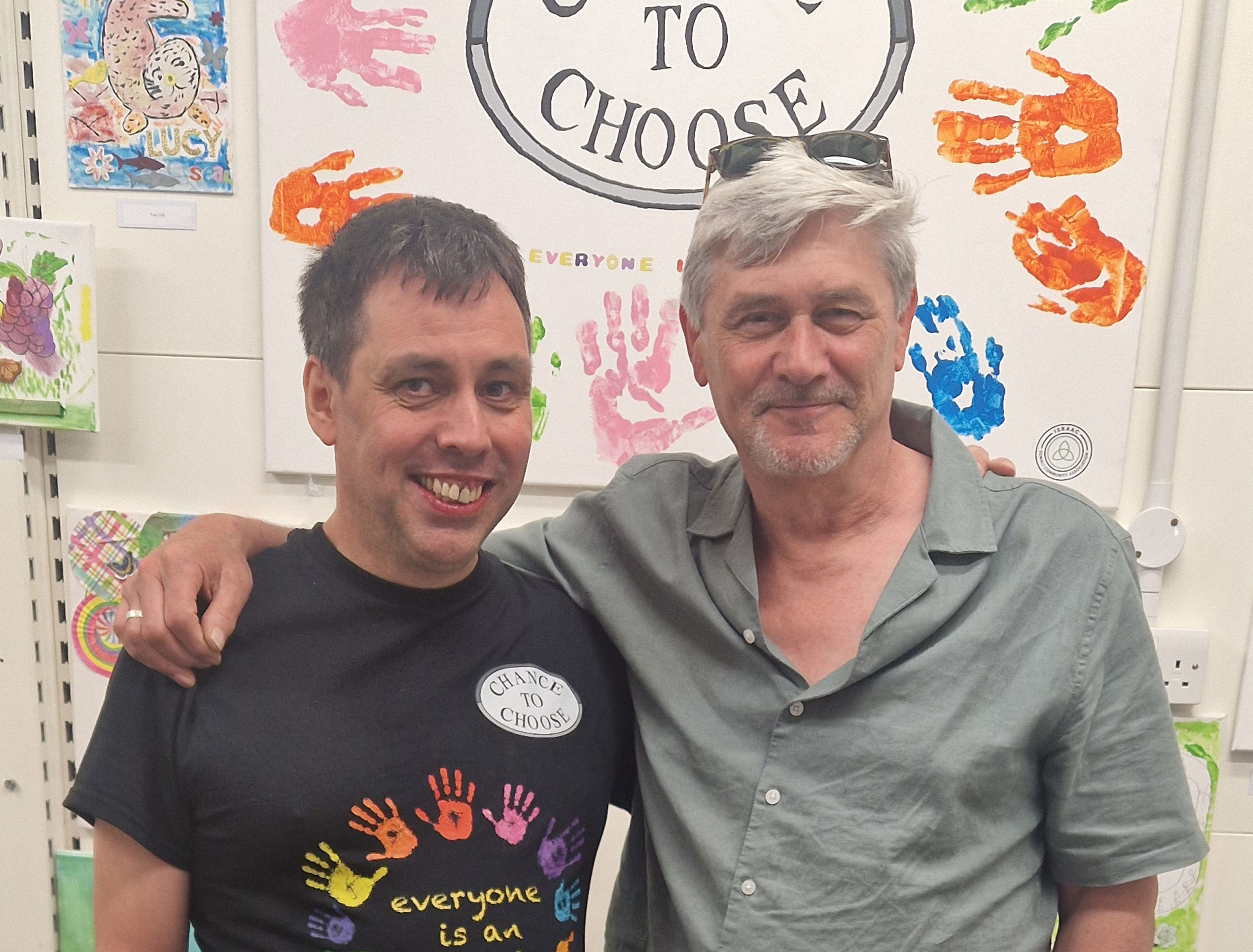
Initiated and managed by Mark Wilkinson, a dedicated council employee, the project aimed to establish a service by and for people with varying needs. The core philosophy was empowerment—providing the tools, training, and space for participants to take control of their own narratives and advocate for themselves and their community.
Independence and a Space of Their Own
One of the project’s most significant achievements was its transition from being housed within the day centre to establishing its own independent shop. Located near the markets in Sheffield, this new base became a vibrant hub of creativity and autonomy.
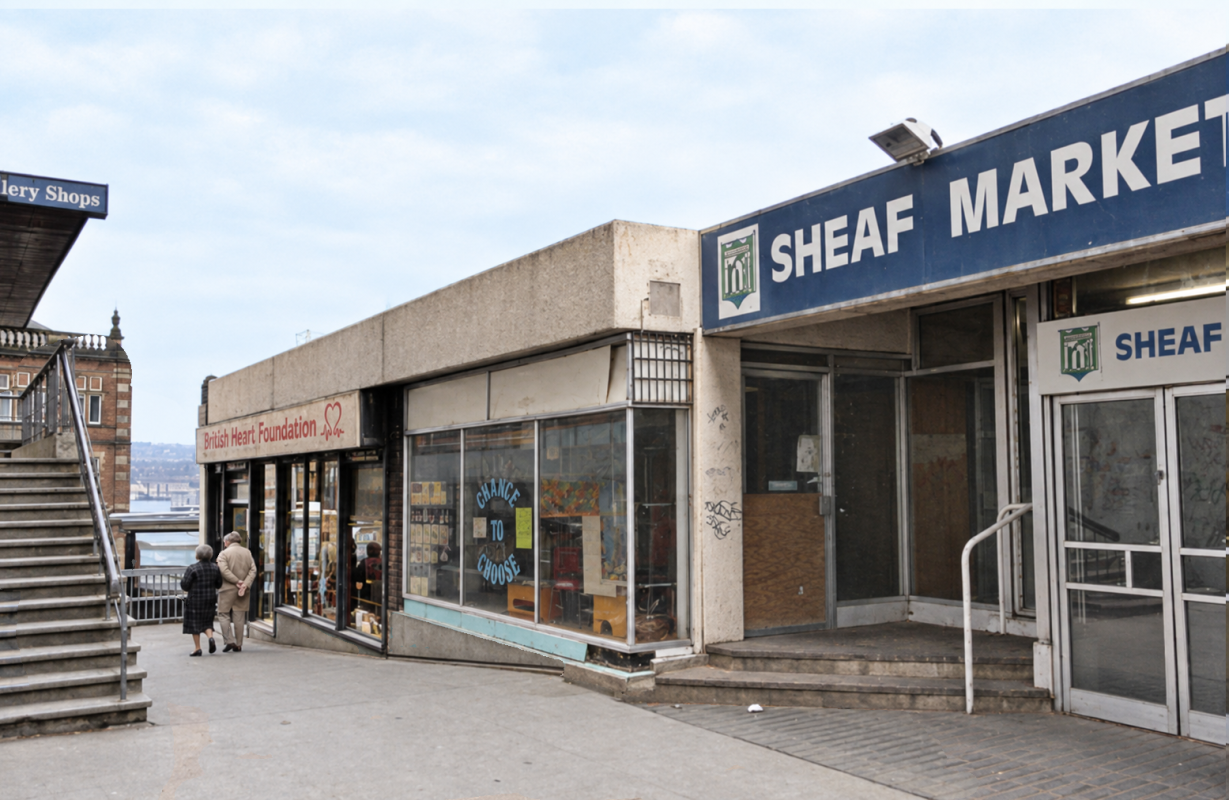
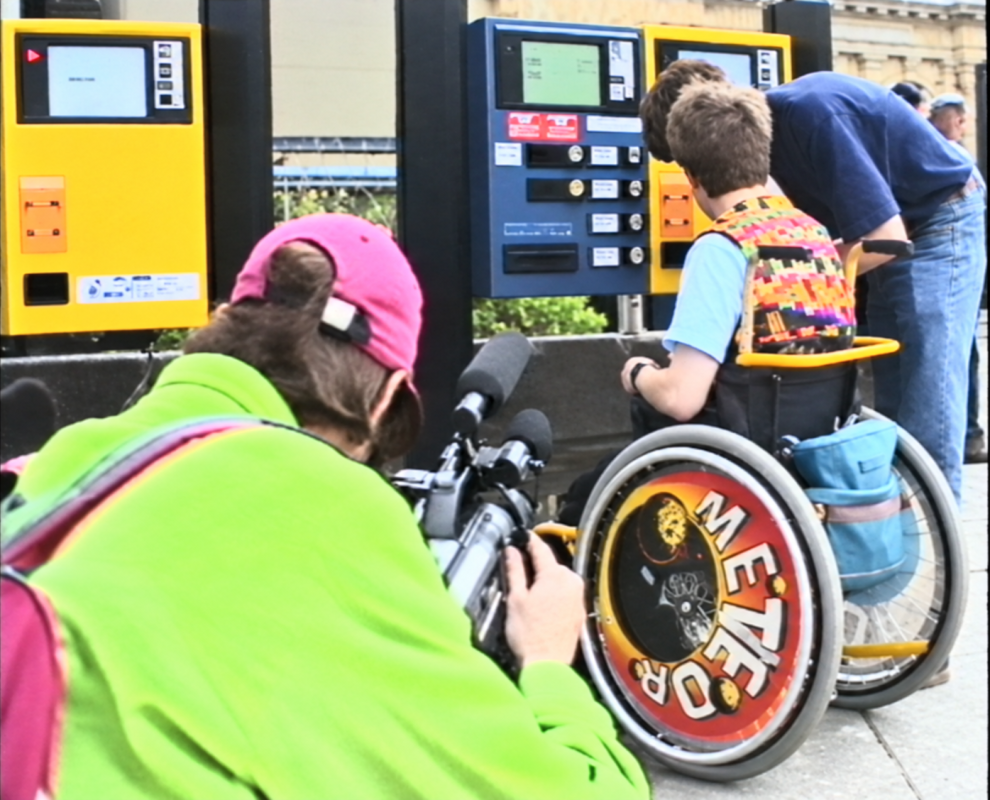
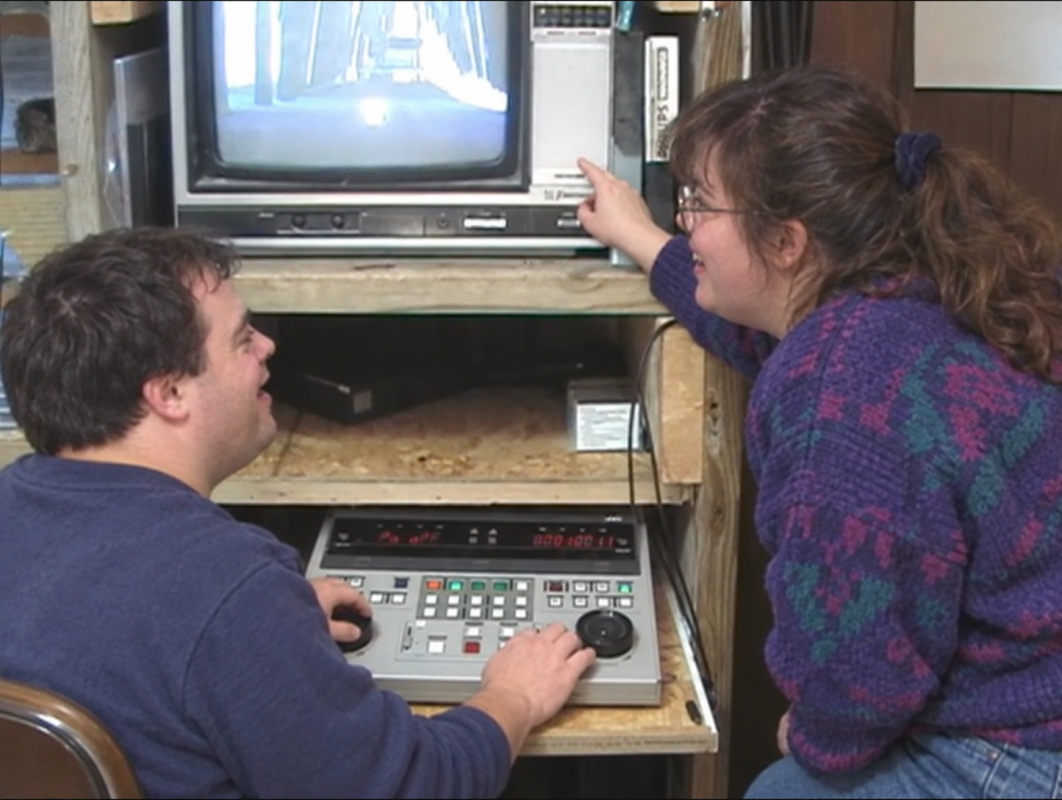
Having their own physical space was transformative. It allowed the team to operate with greater independence, managing their own environment and resources. The shop was equipped with professional-grade camera equipment and a dedicated editing suite, where members learned the technical skills of video production from the ground up.
Participants mastered the art of using video cameras and editing footage together using VHS decks—a sophisticated workflow that required precision and teamwork.
This independence was further supported by weekly workshops that included drama sessions, allowing members to explore expression, confidence, and storytelling through multiple mediums.
Defining Their Own Culture
Crucially, moving into their own shop allowed the group to define their own culture, distinct from the traditional "day centre" model. In many care settings, activities are often structured around passive engagement or medicalized routines. In contrast, Chance to Choose cultivated a culture of creative production and peer collaboration.
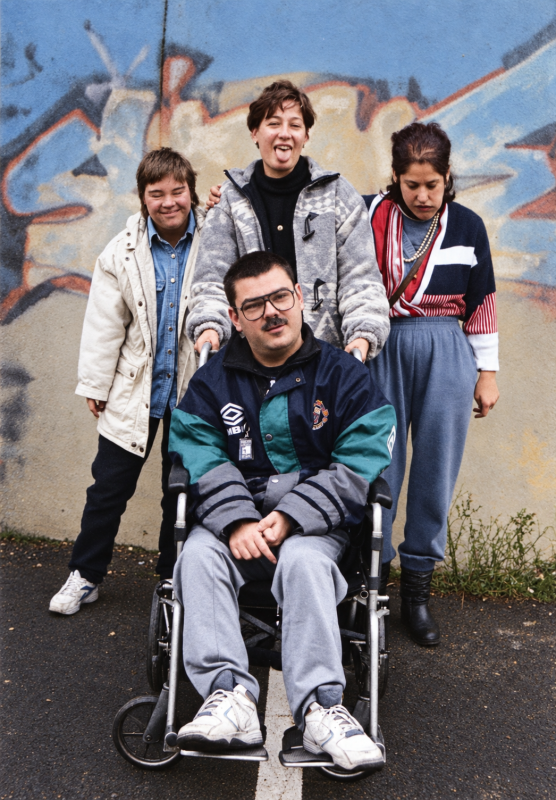
Without the constraints of a larger institutional framework, the members could establish their own norms, humor, and working style. The shop became a place where they were not just "participants" in a program, but creators and journalists.
This shift in identity fostered a strong sense of pride and ownership. They set their own deadlines, debated editorial choices, and celebrated their successes on their own terms. This environment nurtured a community where disability was not defined by limitation, but by capability and artistic expression.
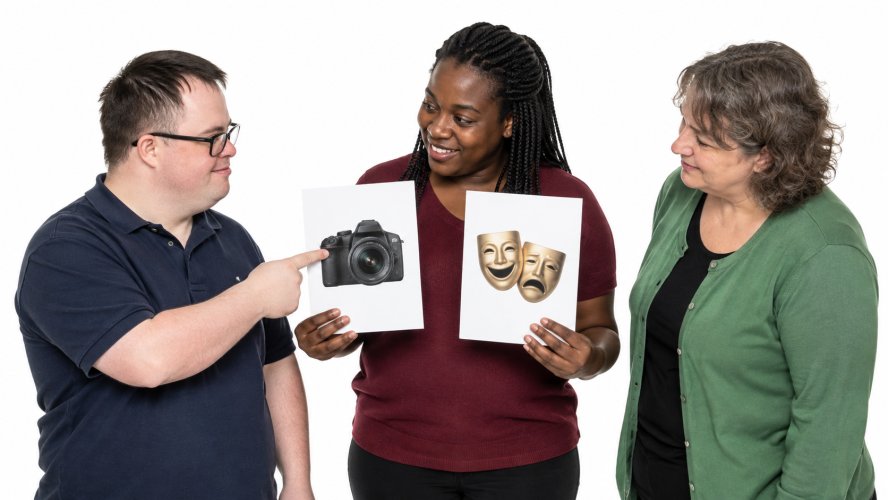
Making choices
The project helped people with learning disabilities make choices and speak up for themselves.
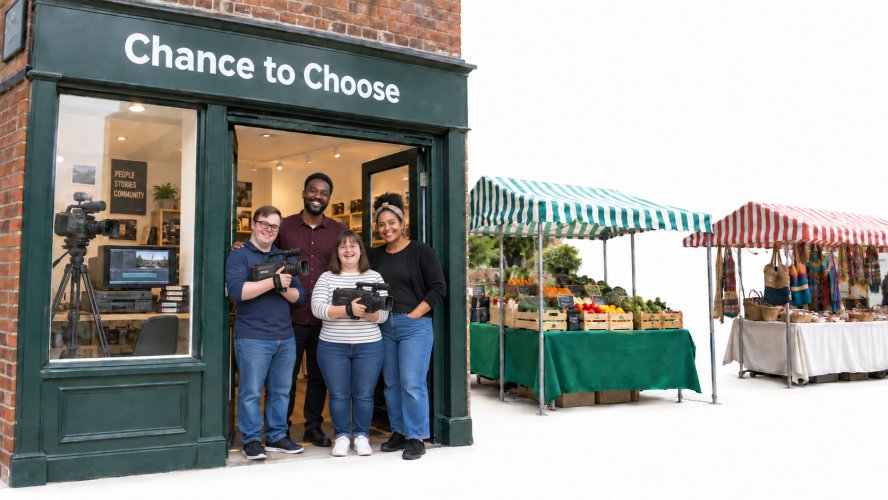
A shop of their own
The group moved into their own shop near the markets in Sheffield.

Running the shop
The members looked after the shop and its equipment together.

Using cameras
The members learned how to use video cameras.
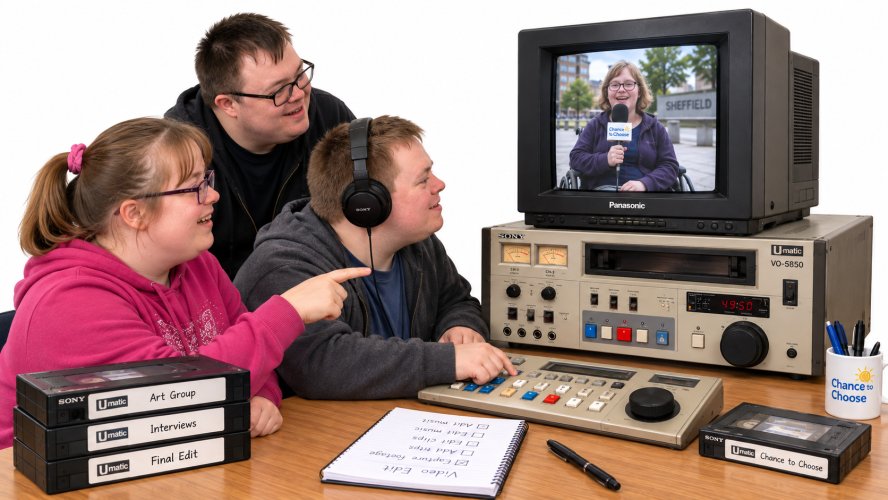
Putting videos together
They used VHS video tapes to put their videos together.

Drama every week
They had drama sessions every week to practise telling stories.

Their own way of working
The members chose their own way of working together.

Making stories
They made videos and reported stories.
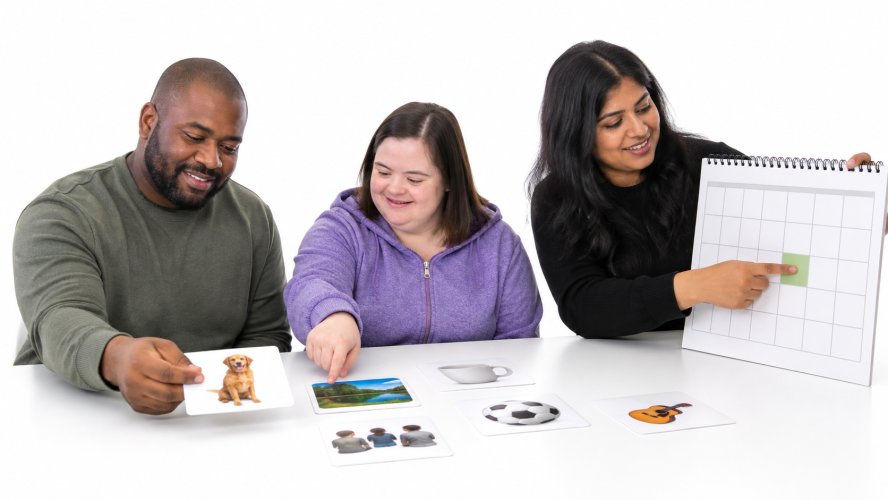
Planning their work
They chose their stories and planned when to finish their work.

Feeling proud
They felt proud of their work and celebrated together.